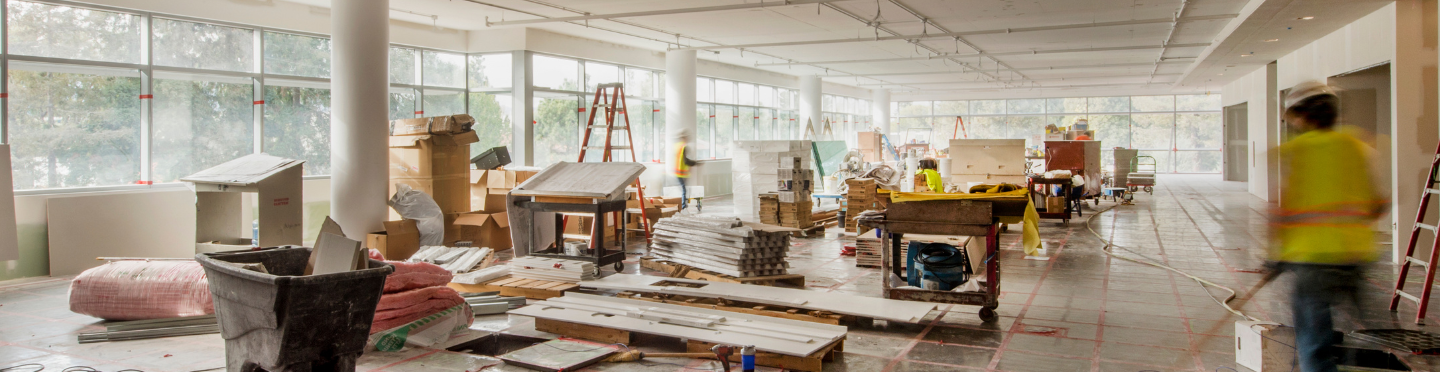

Office environments are often perceived as low risk compared to high‑risk workplaces such as construction sites or manufacturing facilities. However, office-based work still presents a range of health and safety hazards that can affect employees’ wellbeing. Issues such as computer use, poor ergonomics, tripping hazards and sedentary work may not be immediately obvious, but they can cause significant harm over time.
While offices are generally considered safe, risks should not be overlooked. According to key work health and safety (WHS) statistics released in 2025, more than 120,000 serious workers’ compensation claims were recorded in Australia in 2024. These incidents place a significant cost burden on employers through compensation claims, absence from work and reduced productivity.
Creating a healthy and safe office environment requires employers to proactively identify hazards, assess risks and implement appropriate control measures. From ergonomic workstations to environmental controls, the following outlines practical steps to improve office safety in your workplace.
Identifying office hazards
Employers are obligated to provide healthy and safe working practices for their employees. Whether it’s in the building or an employee’s tasks, there are several risks in the modern workplace. These can include factors such as:
-
ergonomic issues that might affect an employee’s health, safety and wellbeing
-
repetitive sedentary and manual tasks that can lead to strain
-
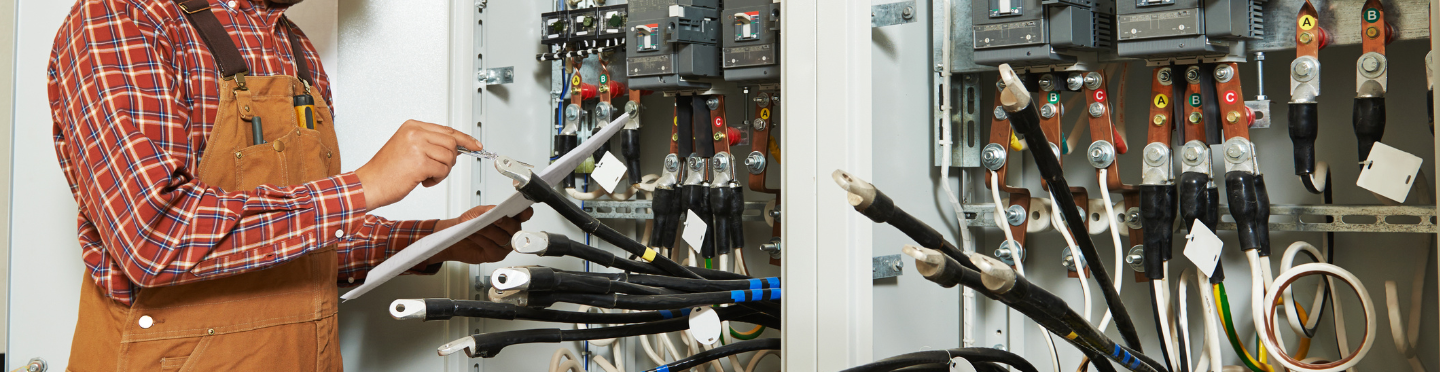
electrical and fire safety hazards
-
slip, trip and fall hazards such as wiring
-
the effects of poor lighting, temperature, and air quality
-
risks associated with computer use, including eye strain, posture, or repetitive strain injury.
Each of these risks poses a threat to workplace health and safety. As an employer, you need to take steps to address each to provide a safe working environment for your team.
Good work design and ergonomics
Office ergonomics refers to the design and arrangement of work spaces and equipment to help people work safely and efficiently. Ergonomic issues are particularly common in an office where employees are regularly using furniture and computers. Because of this, considering ergonomics in the office is essential if your employees regularly work at a computer desk.
Safe Work Australia has principles to guide good work design, including workplace ergonomics. This is so employees can do their jobs in a safe environment. Ergonomic requirements refer to the work itself, work systems, the physical working environment, and the people within the organisation. To implement good work design in your office, it’s important to consider the following:
-
Ensure the alignment of the screen and keyboard are comfortable, so no twisting of the head or body is needed.
-
The height of the screen, keyboard, desk and chair are comfortable for the employee. In some cases, foot rests and screen risers can help.
-
Prevent glare or reflections on the screen, to limit the likelihood of an employee working in awkward positions.
-
Invest in the right office furniture and equipment to ensure your employees can work safely and comfortably.
It’s important to remember the consequences of poor workstation setup aren’t obvious and occur over time. Good work design can protect your employees from long-term health risks as a result of their role.
Reducing risks from sedentary work
Office work often involves extended periods of sitting, which is associated with serious health risks. Research has linked prolonged sitting to increased risks of heart disease, type II diabetes, musculoskeletal strain, bowel cancer and premature death.
Employers can help reduce sedentary work by encouraging workers to:
-
take regular breaks from sitting
-
eat lunch away from their desks
-
rotate tasks where possible to vary posture
-
adopt standing or movement-friendly work practices.
Resources from Comcare provide further guidance on managing sedentary work and promoting movement in office environments.
Managing slips, trips and falls
Electrical equipment, power cords, floor mats and changes in floor levels make slips, trips and falls a common office hazard. While often preventable, these incidents can lead to serious injuries or fatalities if not properly managed.
Safe Work Australia recommends using safe work design principles to eliminate or minimise these risks. Employers should:
-
identify slip, trip and fall hazards through regular inspections
-
remove hazards where reasonably practicable
-
minimise remaining risks by securing or covering cables, clearly marking steps and wet surfaces, and maintaining clear walkways.
Controlling the office environment
As well as safe design and ergonomic considerations, employers also need to consider the physical environment of the office. This includes temperature control and air quality control measures, such as:
-
maintaining a comfortable temperature in the workplace
-
providing adequate air conditioning if needed
-
monitoring and controlling air quality as much as possible
-
risk management of conditions such as Legionnaires’ disease
-
risk management of ‘sick building syndrome’, particularly because Australians spend more than 90% of their time indoors.
Other hazards or risks to keep in mind
In addition to these hazards and risks, there may be additional risks in your office.
Workplaces often use a range of electrical appliances. This can include photocopiers, printers, TVs, and office kitchens with kettles, microwaves and fridges. As an employer, you need to ensure that electrical equipment is well-maintained and not overloaded to prevent fire hazards.
Housekeeping is also a key consideration. Employees may leave storage boxes or personal items lying around on the floor, creating trip hazards or obstructions to the exits. In order to manage this, it’s important to ensure there’s enough storage space in your office. Employees should also be reminded regularly to clean their workspace.
Where to go for more information
Health and safety in the office is an important topic for employers, and there are plenty of resources out there to help.
Safe Work Australia and SafeWork NSW have guidelines and an office hazards checklist to help employers create a safe office space. There are also model codes of practice to help you comply with work health and safety regulations in your workplace.
In addition, if you need to speak to someone about workplace health and safety, WorkCover offers free advisory visits and workshops. These can help you identify hazards and maintain a safe workplace in order to meet your health and safety obligations.
Need help ensuring your work environment is healthy and safe?
My Business Workplace subscribers can access the Workplace Advice Line for expert guidance. Simply log into your Workplace account and visit the Support page to see your available calls.
You can also download ready-to-use templates designed to keep your business compliant, including:
Not a subscriber yet? Learn more about My Business Workplace and how it can help your business stay compliant here.